

Bringing Healthcare to the People
Rural communities face unique challenges, such as geographic isolation, limited healthcare infrastructure, workforce shortages, and diminished access to health insurance options. These challenges drive increasing health disparities, often spanning across multiple generations. Could community health fairs and mobile health clinics finally level the playing field, addressing regional health disparities, often disproportionately impacting 13 states, 423 counties, and 8 independent Virginia cities in what we commonly call the Appalachian region (AL, GA, KY, MD, MS, NC, NY, OH, PA, SC, TN, VA, WV)?
Deep within the mountains of Appalachia, nestled among the coal fields of southwestern Virginia, stand two grey buildings.
From its beginnings in the early 1980s, when Sister Bernadette Kenny began offering free medical care from the back of her donated Volkswagen Beetle (Health Wagon, 2024b), The Health Wagon—along with the Owens & Hill Dental Health Clinic—provides low- and no-cost medical services to those unable to people who are uninsured or enrolled in Medicaid (Figure 1).
And several times a year, they go on the road to host two-day health fairs across the central Appalachian regions of southeastern Kentucky, southwestern Virginia, and northeastern Tennessee.
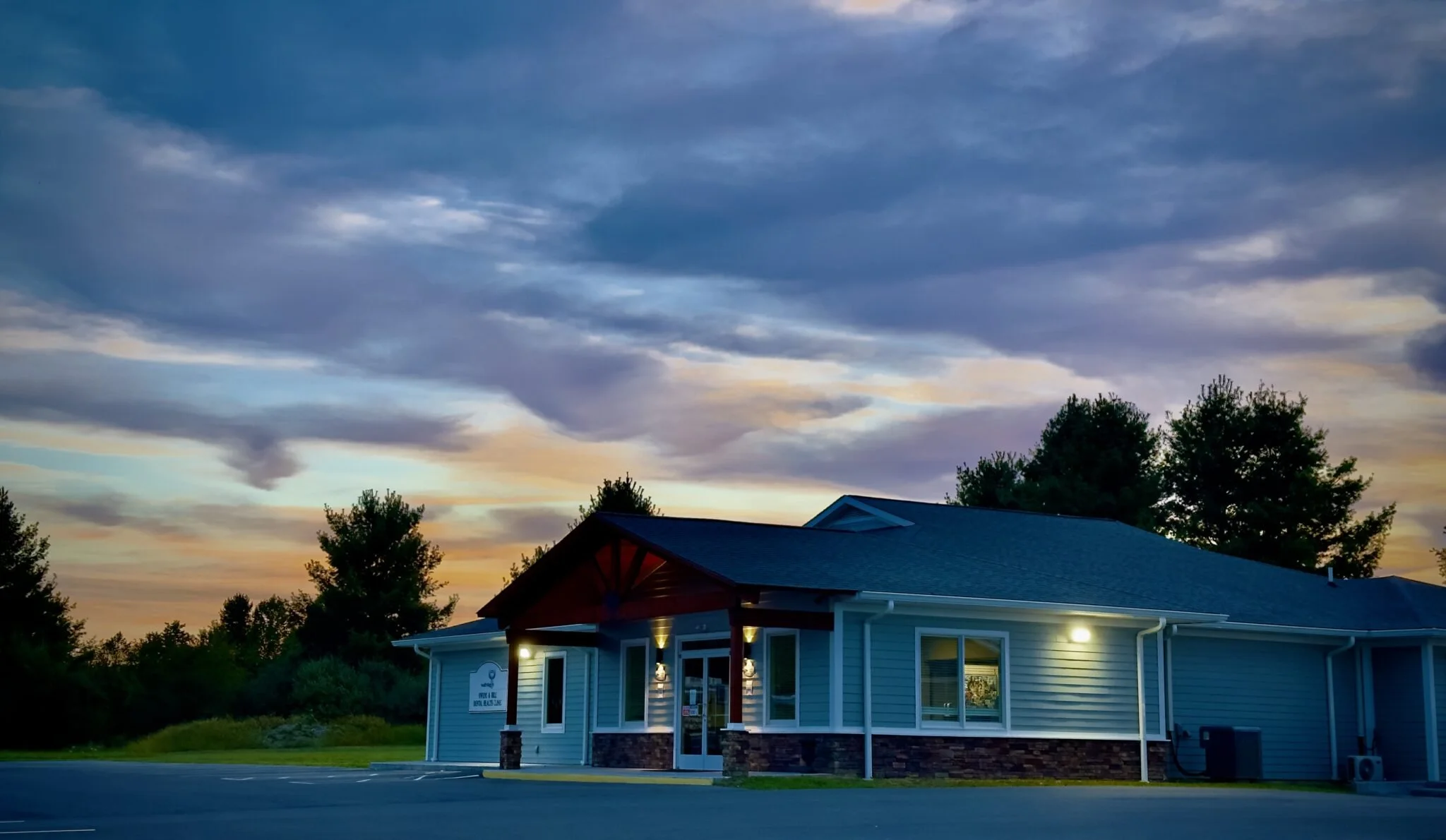
Photo Source: Health Wagon, 2024a; Photo Credit: Earl Cash
Whether at fairgrounds, 4-H camps, local health departments, or grocery store parking lots, people travel hundreds of miles to access perhaps the only healthcare services they will see in a year. From dermatologists to endocrinologists, from cancer screenings to tooth extractions, these health fairs serve as an invaluable resource in a region of the United States that can often feel like the Land That Time Forgot (Burroughs, 1918).
When many Americans think about accessing healthcare, they think of going to their general practitioner, urgent care, or their nearest hospital. But, for roughly 1 out of 7 Americans (14.2%), rural healthcare can look very different (Farrigan, 2024): roads can be washed out; floods can isolate entire communities; cell phone service can be non-existent; the only hospital in 60 miles might have been one of the nearly 200 rural hospital that have fully or partially closed since 2005 (Bennett et al., 2026).
But, necessity is the mother of invention.
Even in a time of technological marvels, rural Americans—especially those living in Appalachia and in areas with high concentrations of Native Americans—often face significant barriers to accessing healthcare services. We call these conditions the Social Determinants of Health (SDOH).
The SDOH are the conditions where people live, learn, work, and socialize that can influence health disparities and health outcomes (Vrtikapa et al., 2025; Figures 2-7). For example, in regions where coal mining has or continues to serve as the primary industry, driver of economics, or source of energy, communities are often geographically isolated (Bleizeffer & Adams, 2020) with school systems that produce where students achieve worse educational outcomes (Boettner, 2011), and collapsing economies (Trisko, 2024).
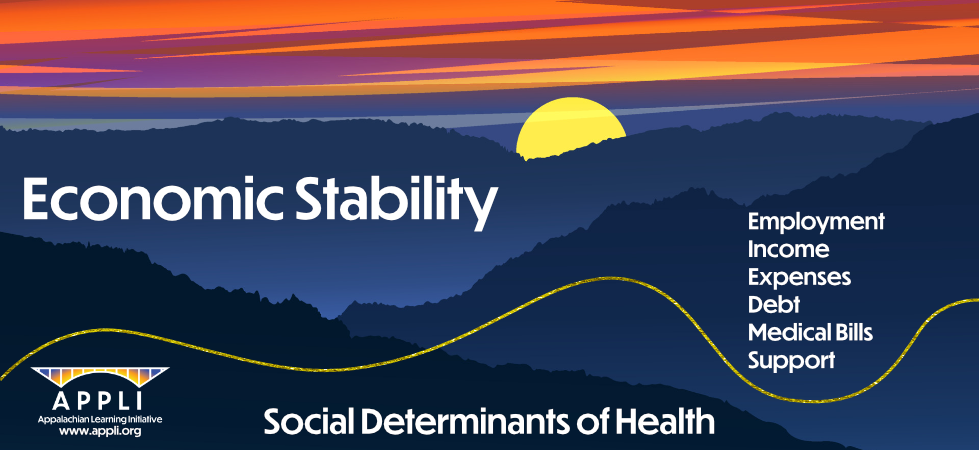
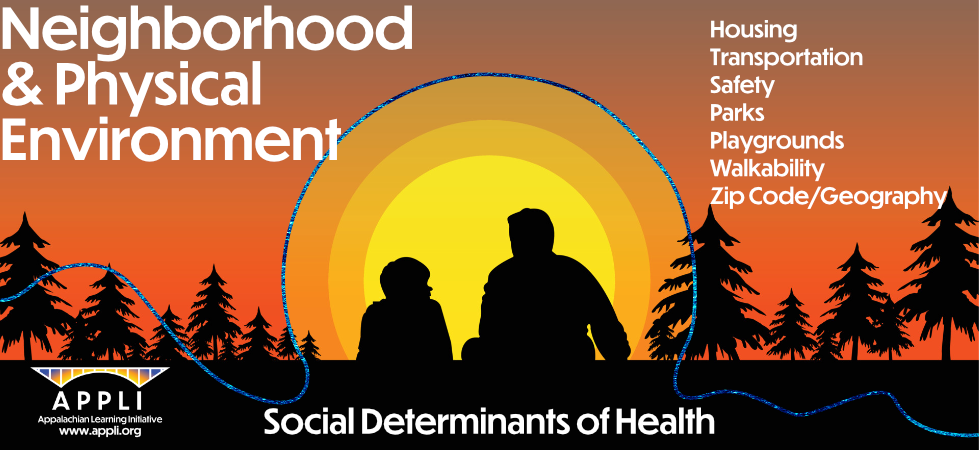
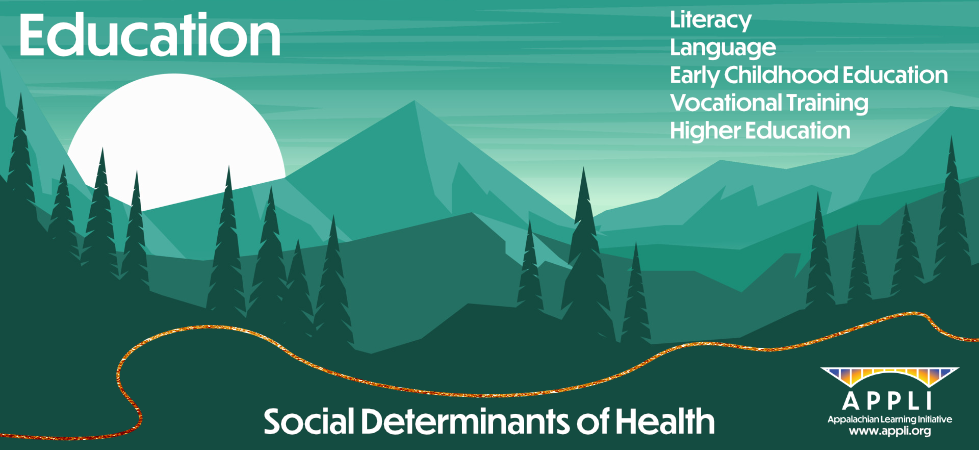
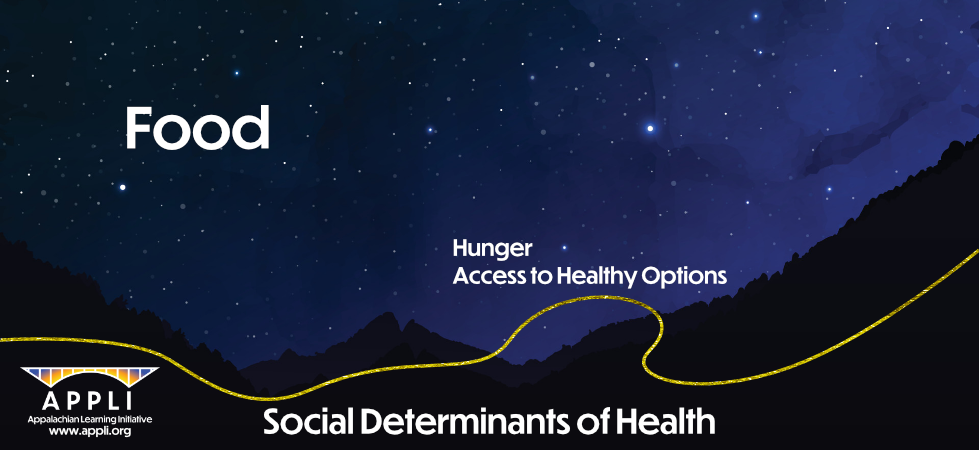
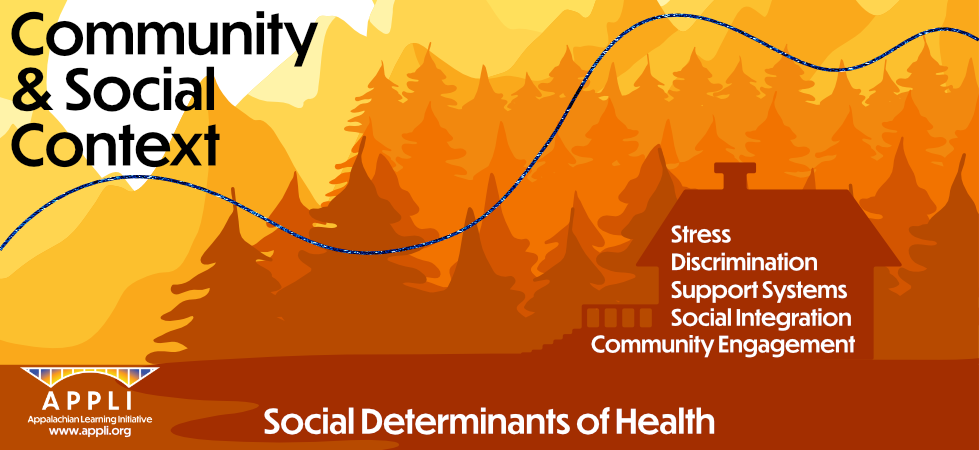
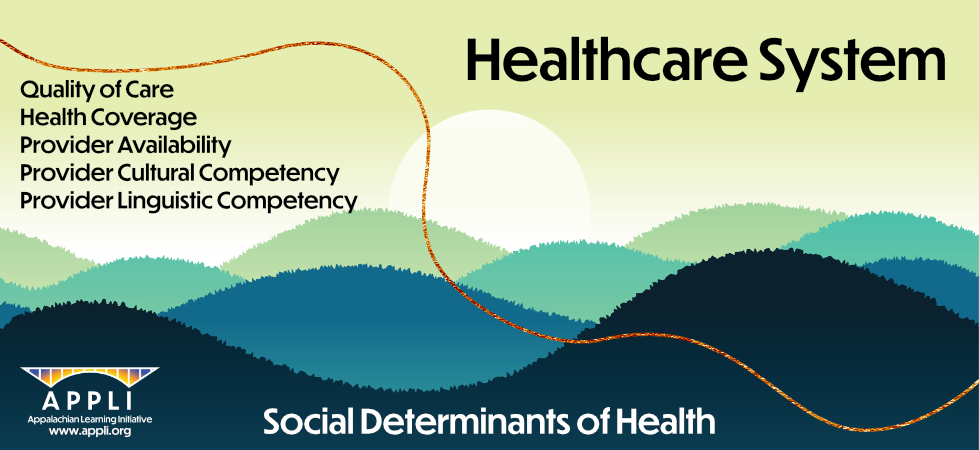
Photo Source: Appalachian Learning Initiative, 2022
When we look at rural America and begin to examine the conditions for each SDOH, it’s little wonder that out-of-the-box thinking was required to begin addressing these barriers to access and improving health outcomes.
And while home calls by physicians may largely be a thing of the past, rural providers have taken that idea, created mobile health units, and grown the movement to being one of the most effective rural health interventions on the planet.
Beyond the Health Wagon, other organizations, such as Remote Area Medical (RAM®), exist to provide mobile medical services. From February 6th through February 8th of 2026, RAM set up a pop-up healthcare clinic in Knoxville, TN, where some patients drove 200 miles, one way, and slept in their vehicles in parking lots just to attend a free clinic to access dental services due to a lack of insurance coverage (Pelley et al., 2026).
These types of health fairs and mobile clinic services are becoming a vital tool, as enrollment in healthcare coverage programs—both public and private—begins to see record declines. KFF recently projected that enrollment in Affordable Care Act (ACA) Marketplace plans may decrease by 21.5%, from 22.3 million enrollees in 2025 to 17.5 million in 2026 (McGough, 2026). This decline in enrollment is likely to occur as a result of rising insurance premiums, deductibles, and out-of-pocket maximums.
Further exacerbating the need for these services, KFF also projects that an additional 5.3 million could become uninsured by 2034 as a result of newly tightened work requirements exacted upon America’s most vulnerable patients by the One Big Beautiful Bill Act (KFF, 2026). While there are mandatory exemptions that allow certain individuals, such as those who are medically frail, participating in a substance use disorder (SUD) program, or parents/guardians/caretakers of dependent children under the age of 13 or disabled persons, there are no mandatory exemptions for people who reside in counties with high unemployment rates (KFF, 2026).
But this increase in demand for services comes with a severe cost for mobile medical care providers, many of which already operate on a first-come, first-served basis (Pelley et al., 2026). So, someday…maybe someday soon…even those who rely on mobile services may just go untreated, altogether.
How very Victorian of us.
The dedication of these organizations and the people who serve their communities to ensuring that people are able to access vital healthcare services regardless of their ability to pay is nothing short of what the American Spirit should be.
For more information about Remote Area Medical, please visit:
For a list of their upcoming pop-up or telehealth clinic dates, please visit:
https://www.ramusa.org/schedule/
For more information about The Health Wagon, please visit:
For a list of their upcoming mobile clinic and health fair dates, please visit: