

Bringing Healthcare to the People
Rural communities face unique challenges, such as geographic isolation, limited healthcare infrastructure, workforce shortages, and diminished access to health insurance options. These challenges drive increasing health disparities, often spanning across multiple generations. Could community health fairs and mobile health clinics finally level the playing field, addressing regional health disparities, often disproportionately impacting 13 states, 423 counties, and 8 independent Virginia cities in what we commonly call the Appalachian region (AL, GA, KY, MD, MS, NC, NY, OH, PA, SC, TN, VA, WV)?
Rural communities face unique challenges, such as geographic isolation, limited healthcare infrastructure, workforce shortages, and diminished access to health insurance options. These challenges drive increasing health disparities, often spanning across multiple generations. Could community health fairs and mobile health clinics finally level the playing field, addressing regional health disparities, often disproportionately impacting 13 states, 423 counties, and 8 independent Virginia cities in what we commonly call the Appalachian region (AL, GA, KY, MD, MS, NC, NY, OH, PA, SC, TN, VA, WV)?
Deep within the mountains of Appalachia, nestled among the coal fields of southwestern Virginia, stand two grey buildings.
From its beginnings in the early 1980s, when Sister Bernadette Kenny began offering free medical care from the back of her donated Volkswagen Beetle (Health Wagon, 2024b), The Health Wagon—along with the Owens & Hill Dental Health Clinic—provides low- and no-cost medical services to those unable to people who are uninsured or enrolled in Medicaid (Figure 1).
And several times a year, they go on the road to host two-day health fairs across the central Appalachian regions of southeastern Kentucky, southwestern Virginia, and northeastern Tennessee.
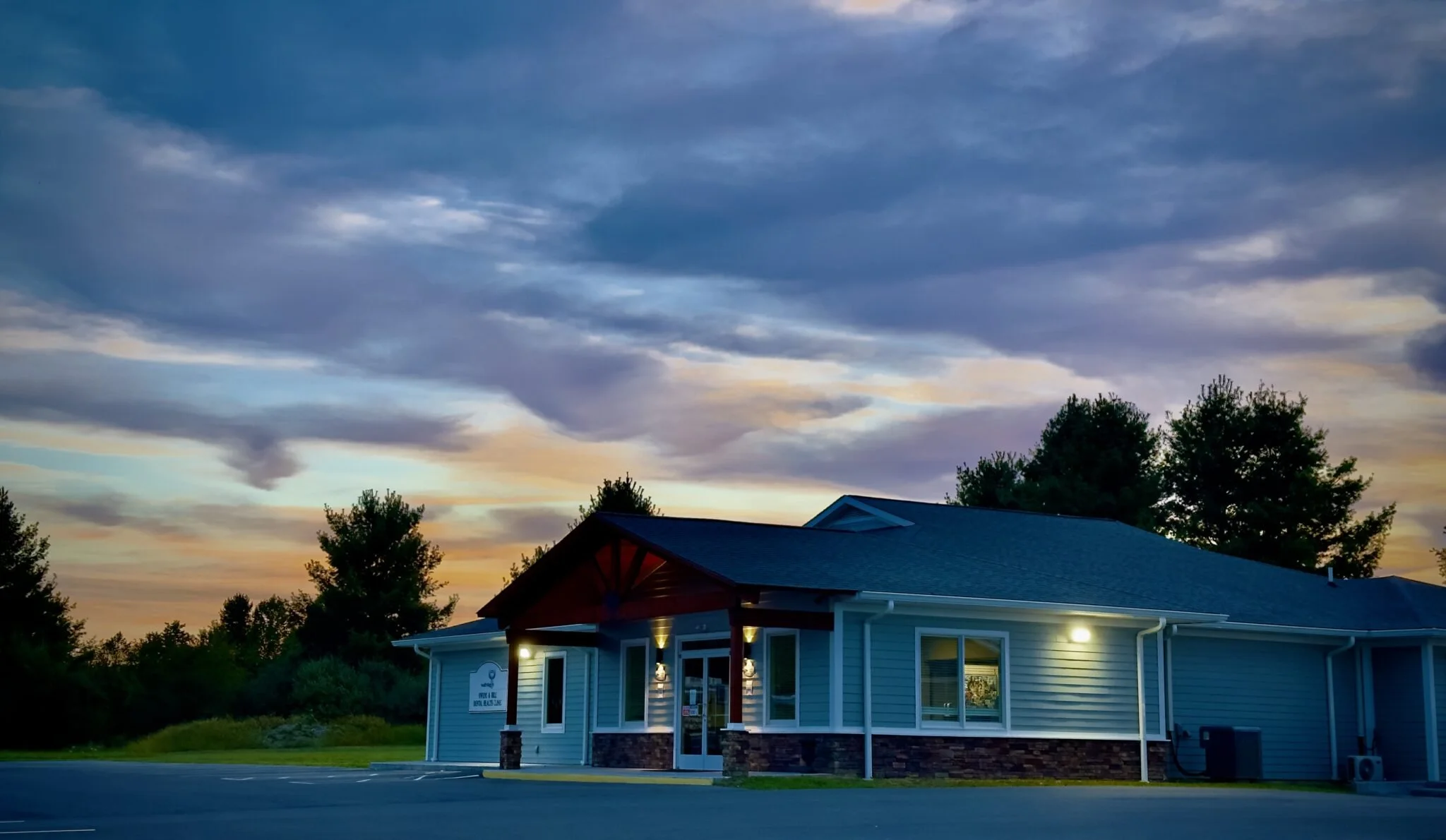
Photo Source: Health Wagon, 2024a; Photo Credit: Earl Cash
Whether at fairgrounds, 4-H camps, local health departments, or grocery store parking lots, people travel hundreds of miles to access perhaps the only healthcare services they will see in a year. From dermatologists to endocrinologists, from cancer screenings to tooth extractions, these health fairs serve as an invaluable resource in a region of the United States that can often feel like the Land That Time Forgot (Burroughs, 1918).
When many Americans think about accessing healthcare, they think of going to their general practitioner, urgent care, or their nearest hospital. But, for roughly 1 out of 7 Americans (14.2%), rural healthcare can look very different (Farrigan, 2024): roads can be washed out; floods can isolate entire communities; cell phone service can be non-existent; the only hospital in 60 miles might have been one of the nearly 200 rural hospital that have fully or partially closed since 2005 (Bennett et al., 2026).
But, necessity is the mother of invention.
Even in a time of technological marvels, rural Americans—especially those living in Appalachia and in areas with high concentrations of Native Americans—often face significant barriers to accessing healthcare services. We call these conditions the Social Determinants of Health (SDOH).
The SDOH are the conditions where people live, learn, work, and socialize that can influence health disparities and health outcomes (Vrtikapa et al., 2025; Figures 2-7). For example, in regions where coal mining has or continues to serve as the primary industry, driver of economics, or source of energy, communities are often geographically isolated (Bleizeffer & Adams, 2020) with school systems that produce where students achieve worse educational outcomes (Boettner, 2011), and collapsing economies (Trisko, 2024).
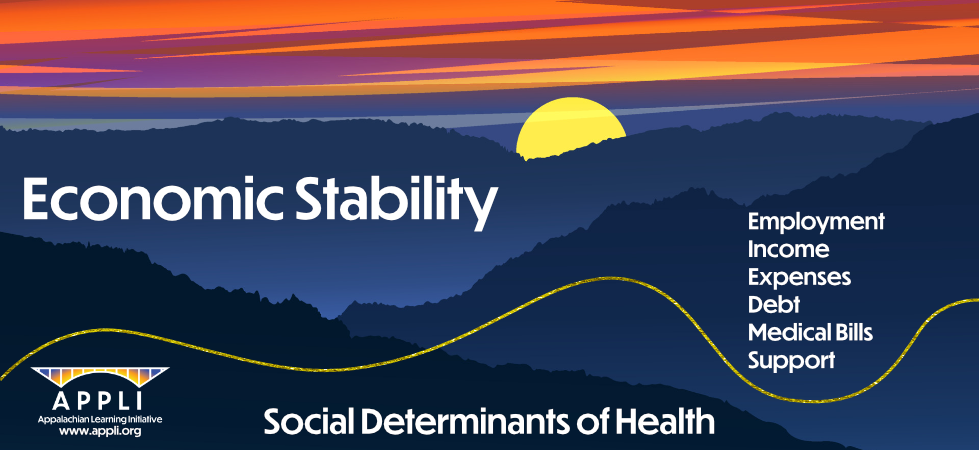
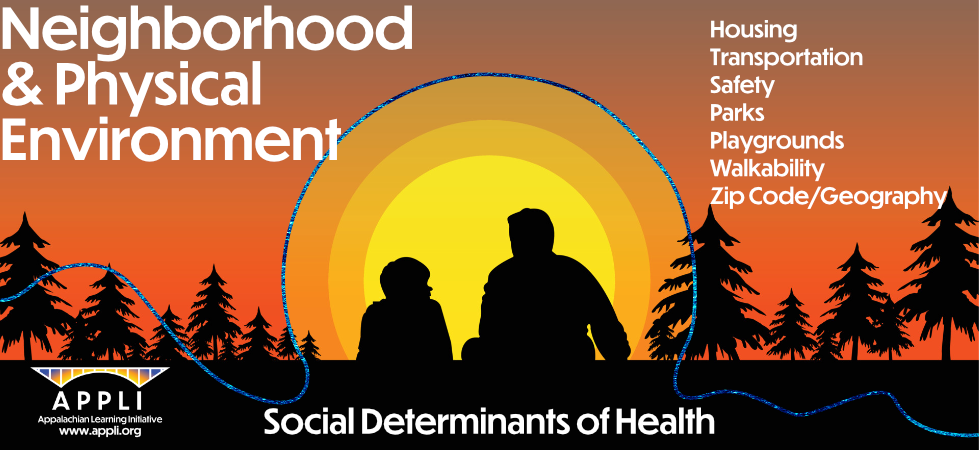
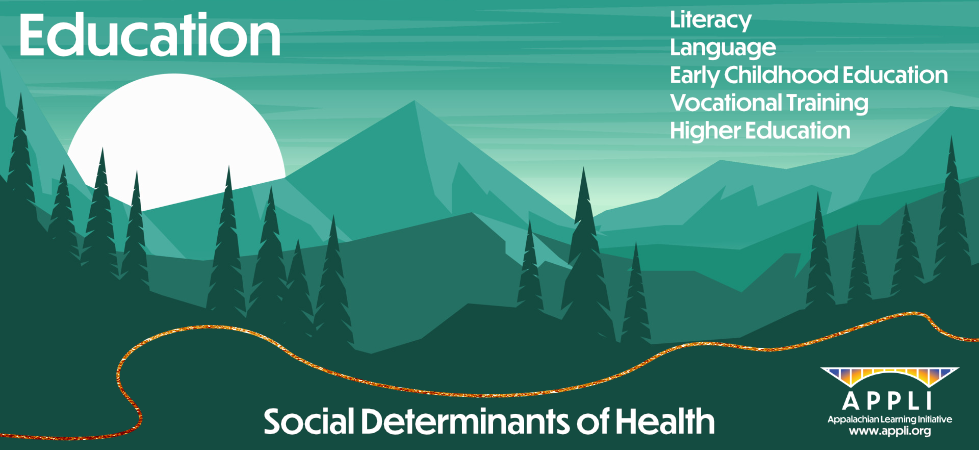
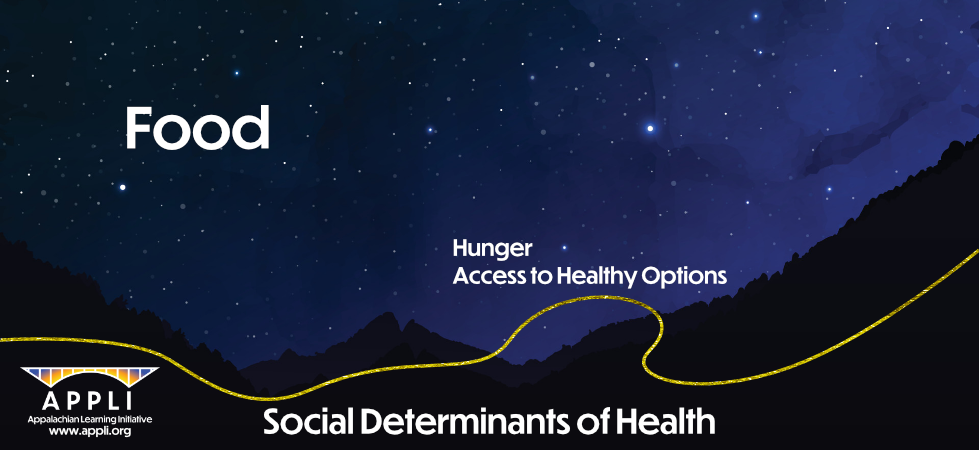
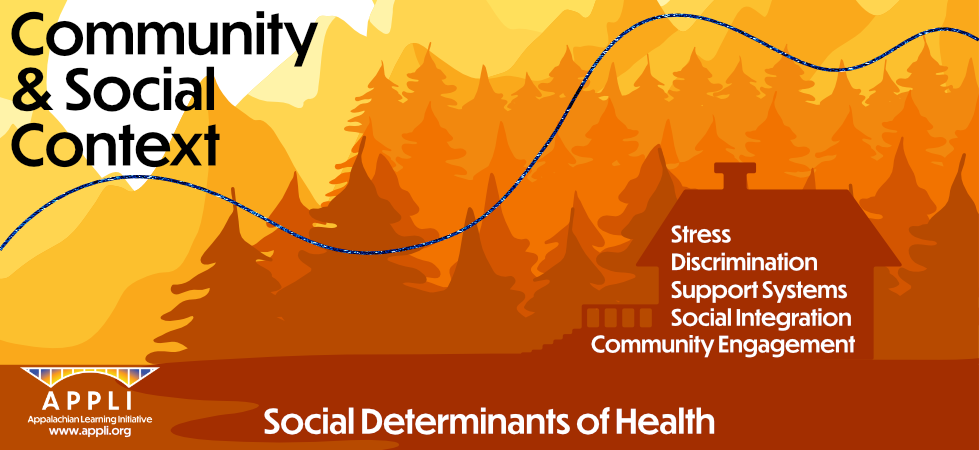
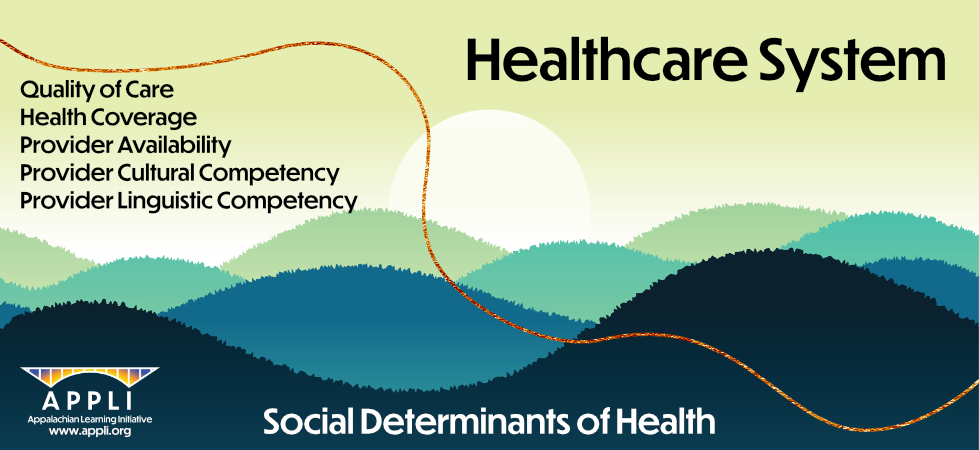
Photo Source: Appalachian Learning Initiative, 2022
When we look at rural America and begin to examine the conditions for each SDOH, it’s little wonder that out-of-the-box thinking was required to begin addressing these barriers to access and improving health outcomes.
And while home calls by physicians may largely be a thing of the past, rural providers have taken that idea, created mobile health units, and grown the movement to being one of the most effective rural health interventions on the planet.
Beyond the Health Wagon, other organizations, such as Remote Area Medical (RAM®), exist to provide mobile medical services. From February 6th through February 8th of 2026, RAM set up a pop-up healthcare clinic in Knoxville, TN, where some patients drove 200 miles, one way, and slept in their vehicles in parking lots just to attend a free clinic to access dental services due to a lack of insurance coverage (Pelley et al., 2026).
These types of health fairs and mobile clinic services are becoming a vital tool, as enrollment in healthcare coverage programs—both public and private—begins to see record declines. KFF recently projected that enrollment in Affordable Care Act (ACA) Marketplace plans may decrease by 21.5%, from 22.3 million enrollees in 2025 to 17.5 million in 2026 (McGough, 2026). This decline in enrollment is likely to occur as a result of rising insurance premiums, deductibles, and out-of-pocket maximums.
Further exacerbating the need for these services, KFF also projects that an additional 5.3 million could become uninsured by 2034 as a result of newly tightened work requirements exacted upon America’s most vulnerable patients by the One Big Beautiful Bill Act (KFF, 2026). While there are mandatory exemptions that allow certain individuals, such as those who are medically frail, participating in a substance use disorder (SUD) program, or parents/guardians/caretakers of dependent children under the age of 13 or disabled persons, there are no mandatory exemptions for people who reside in counties with high unemployment rates (KFF, 2026).
But this increase in demand for services comes with a severe cost for mobile medical care providers, many of which already operate on a first-come, first-served basis (Pelley et al., 2026). So, someday…maybe someday soon…even those who rely on mobile services may just go untreated, altogether.
How very Victorian of us.
The dedication of these organizations and the people who serve their communities to ensuring that people are able to access vital healthcare services regardless of their ability to pay is nothing short of what the American Spirit should be.
For more information about Remote Area Medical, please visit:
For a list of their upcoming pop-up or telehealth clinic dates, please visit:
https://www.ramusa.org/schedule/
For more information about The Health Wagon, please visit:
For a list of their upcoming mobile clinic and health fair dates, please visit:
RSV Surveillance After the Pandemic and the Growing Risks to Life in Appalachia
Respiratory Syncytial (sin-SISH-uhl) Virus, or RSV, is a common respiratory virus that usually causes mild, cold-like symptoms. Most people recover in a week or two, but RSV can be serious, especially for infants and older adults. RSV is the most common cause of bronchiolitis (inflammation of the small airways in the lung) and pneumonia (infection of the lungs) in children younger than 1 year of age in the United States.
In 2022, PlusInc published summaries highlighting the disparities in the incidence and mortality rates of RSV between various regions, states, and populations. In 2024, PlusInc, in collaboration with the Appalachian Learning Initiative (APPLI, pronounced like “apply”), will be focusing on highlighting the risks that RSV poses in the 13 states, 423 counties, and 8 independent Virginia cities that make up the Appalachian Region.
In our 2022 report, we highlighted the following trends:
The incidence of RSV in the 2020-2021 RSV season—which generally runs from early August through late July—saw record low rates of antigen test detections and polymerase chain reaction (PCR) test detections for RSV in every U.S. Census Region except for South, which includes the following states: Alabama, Arkansas, Delaware, the District of Columbia, Florida, Georgia, Kentucky, Louisiana, Maryland, Mississippi, North Carolina, South Carolina, Tennessee, Texas, Virginia, and West Virginia. This historically low level of infections was likely the result of COVID-19-related pandemic shutdowns and the proliferation of public masking and social distancing policies.
The Midwest Region, which typically has the highest rates of detection out of any region, saw just 610.0 antigen test detections and 5,142.0 PCR detections.
By comparison, the South saw 3,220.0 antigen detections and 14,148.2 PCR detections during the same period.
This is likely due to the fact that many states in the Southern region began attempting to “return to normal” in 2021, after the first year of COVID-19-related shutdowns. These decisions to “normalize” were made in large part because of public and political outcries against what some believed to be “government overreach,” and were accompanied by legislative changes in many Southern states that highly limited the legal ability of state and local departments of health to enact public health protocols in response to disease outbreaks.
The 2021-2022 season saw a resurgence of RSV across every region, with a total of 10169.1 antigen detections and 42,880.7 PCR detections, with the Midwest leading the nation with 42,880.7 PCR detections and the Northeast with the fewest, at 13,353.7.
The likely reason behind this increase was, again, a return to normal daily interactions and a move away from pandemic protocols.
After that initial disparities report, PlusInc continued to gather data about the disease and the following trends have occurred:
The 2022-2023 season saw an explosion of new RSV detections across the United States, with a total of 14,129.1 antigen detections and 203,193.9 PCR detections, with the Midwest again leading the nation with 73,559.9 PCR detections, followed by the West with 67,286.2. The number of detections in the South continued to climb in that season with 36,023.3 PCR detections.
In the 2023-2024, to date, the nation has seen 10,603.5 antigen detections and 148,382.1 PCR detections, with the Midwest again leading the nation at 48,710.6. This year, however, the South has already surpassed the 2022-2023 season, with 38,095.4 PCR detections, while both the Midwest and West regions are unlikely to reach the same levels as the year before (Centers for Disease Control and Prevention, 2024a)
So—why are these data from the South so concerning?
10 of Appalachia’s 13 states—Alabama, Georgia, Kentucky, Maryland, Mississippi, North Carolina, South Carolina, Tennessee, Virginia, and West Virginia—are located in this region (Figure 1).
Figure 1 – United States Census Regions

Notes: Retrieved from the Centers for Disease Control and Prevention (CDC), 2023. (https://www.cdc.gov/surveillance/nrevss/downloads/us-census-regional.pdf)
When breaking down surveillance into the 13 states, we gathered data for the 2021-2022, 2022-2023, and 2023-2024 RSV seasons. The findings are troubling for a number of reasons:
As is the case with all diseases, the states with the higher populations are going to have higher incidence numbers both because there are more people and because there are larger population centers with tighter population density.
Georgia, North Carolina, and Tennessee are seeing incredibly concerning trends:
Georgia saw a 14% increase in PCR detections from the 2021-2022 season to the 2022–2023 season, and has seen a 45.4% increase in PCR detections this season, to date, above the previous season.
North Carolina saw a 279.4% increase in PCR detections from the 2021-2022 season to the 2022-2023 season, and has seen another 23.8% increase in PCR detections this season, to date, above the previous season.
While the overall incidence of RSV detections is traditionally low in Tennessee, the state still saw a 47.6% increase from the 2021-2022 season to the 2022-2023 season, and has seen another 54.5% increase in the current season.
However…the more concerning issue with the state of Tennessee lies a bit deeper and actually extends to the state of Alabama, as well:
An unusual trend has occurred in the current RSV season, where antigen tests in both Alabama and Tennessee are showing significantly higher detection levels than PCR detections for the same period of time. Normally, the antigen detections are lower than the PCR detections because PCR testing is more definitive. Essentially, the antigen tests can only determine if you have an active virus in the body and cannot detect small amounts of the virus or asymptomatic cases as accurately as PCR testing.
When we see a trend of antigen testing results being much higher than PCR testing results, it can mean a couple of things:
Finalized testing data may not be finalized for those periods. This may occur early in the report stages when the individual clinics and state agencies have either not received all of the data, there are duplicate data, or other issues with the data exist, or;
A more concerning issue exists where patients are testing positive for RSV using rapid test but are not following up those rapid tests with definitive PCR testing. This may be the result of lacking access to facilities that provide that testing, being unable to afford additional testing, being afraid or hesitant to follow up with confirmatory testing, or simply choosing not to proceed with additional testing for whatever reason.
Another dangerous trend is emerging in West Virginia:
When looking at the 2021-2022 RSV season, infections coincided with the start of the first full year of in-person school attendance during the second year of the COVID-19 pandemic, and essentially ending shortly after the New Year going into 2022. In the 2022-2023 season, infections didn’t really start to get going until late September, again trailing off after the New Year going into 2023.
In the 2023-2024 season, however, RSV got a very late start, with infection rates not really spiking until early-November, and continuing to stay high throughout January. Across the state of West Virginia, anecdotal reports of respiratory illnesses are showing up all over social media and in school district Facebook pages. And, while the state may not have already surpassed the numbers from 2022-2023, many residents are concerned about that possibility, particularly in a state where vaccine uptake rates across all disease states are starting to see sharp declines (CDC, 2024b).
Aside from these trends, another risk is posed, particularly in Central Appalachian counties located in Kentucky, North Carolina, Tennessee, Virginia, and West Virginia: the terrible ravages that have resulted from drug addiction.
Since the mid-2000s, the rates of drug addiction and overdose deaths as a result of drug use have increased nationwide, and few regions have been more impacted than Central Appalachia. While finalized drug overdose data for 2022 have not yet been released by the CDC, West Virginia, Tennessee, and Kentucky occupied the first, third, and fifth spots for the highest rates of overdose deaths per 100,000 residents in 2021, at 90.9, 56.6, and 55.6, respectively. Unfortunately, due to changes in the CDC drug overdose reporting systems, access to previous surveillance reports and dashboards appears to have disappeared in the process of transitioning to the new systems. However, state-level reporting outside of the CDC appears to remain unchanged, which allows us to access older records.
Because these states and counties have experienced high rates of overdose deaths, as well as non-fatal overdoses and drug charge-related incarceration, the impacts of drug addiction tend to stretch far beyond the individual living with substance use issues. According to a 2020 interview with Katrina Harmon, Executive Director of the West Virginia Child Care Association, over 90% of children currently in West Virginia’s foster care system are there due to drug-related issues. However, the foster system isn’t the first choice for the Department of Child Protective Services; CPS always tries placing a child whose life has been upended by drug-related issues with a family member. This has led to a broad increase in intergenerational households, with children being raised by grandparents and great-grandparents, all of whom are particularly susceptible to RSV. These circumstances mean that children who attend school and pick up colds, flus, RSV, and other respiratory ailments then bring those illnesses home to their loved ones, which can result in entire families being all but incapacitated by disease with normally high survival rates.
These concerns are further complicated by growing reports, both scientific and anecdotal, about growing vaccine hesitancy and distrust of healthcare providers, particularly in Southern, Appalachian, and largely rural states (Vestal, 2023). While child-age vaccination rates decreased during the pandemic shutdowns and reduction of healthcare services provision, these rates have not returned to their pre-pandemic rates.
After vaccine requirements were legally instituted by federal and state governments for COVID-19, many states have begun to reexamine their own general vaccination requirements for children prior to attending schools. Prior to the pandemic, relatively few state-level bills related to vaccines were introduced. With the release of the vaccine in 2021, several states began enacting legislation preventing COVID-19 vaccine requirements, specifically, but also began looking at the possibilities of either eliminating or expanding exemptions to existing routine immunization requirements for students (Roth, 2023).
As the RSV continues, we will continue to monitor national, regional, and state-level surveillance as we work to raise attention about.