


Many Women face significant barriers that may contribute to being unaware of, or being unable or afraid to access, PrEP services. One of the primary barriers facing Women is that healthcare providers either never or rarely prescribe PrEP to cisgender Women. In fact, some research findings indicate that provider-level barriers are arguably the most prevalent barrier faced by Women.
Mini Report

TABLE OF CONTENTS:Underlying Data
Barriers to Awareness and Access
Medical Mistrust Barriers
Structural and Geographic Barriers
Social and Cultural Barriers
Stigma-Related Barriers
Financial Barriers
Information/Education Barriers
Recommendations
Culturally Competent and Relevant Marketing
Reframe Education, Awareness, and Outreach Campaigns Using a Risk-to-Reasons Framework
Increased Investments in HIV Education and Prevention Infrastructure
Infographics
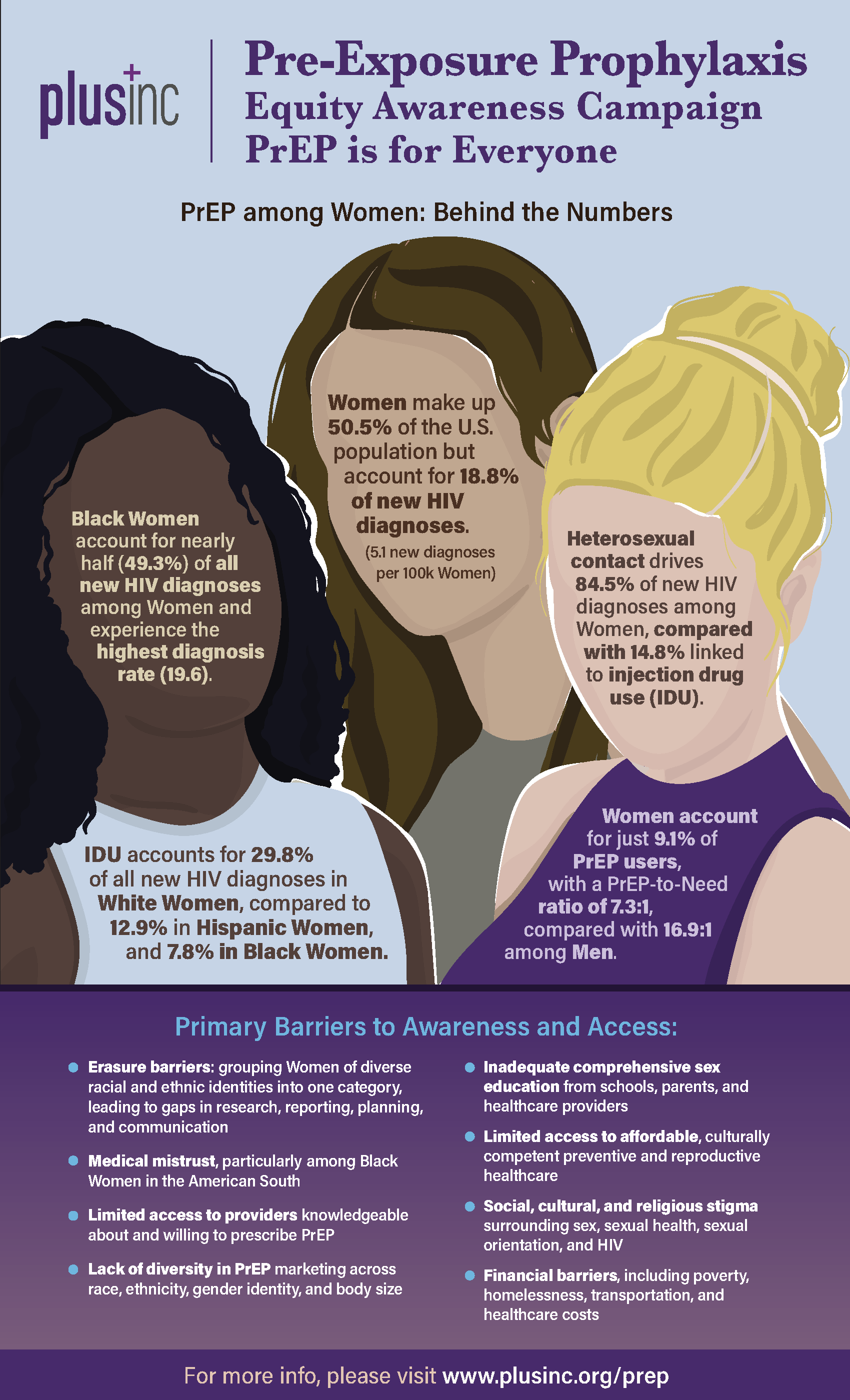
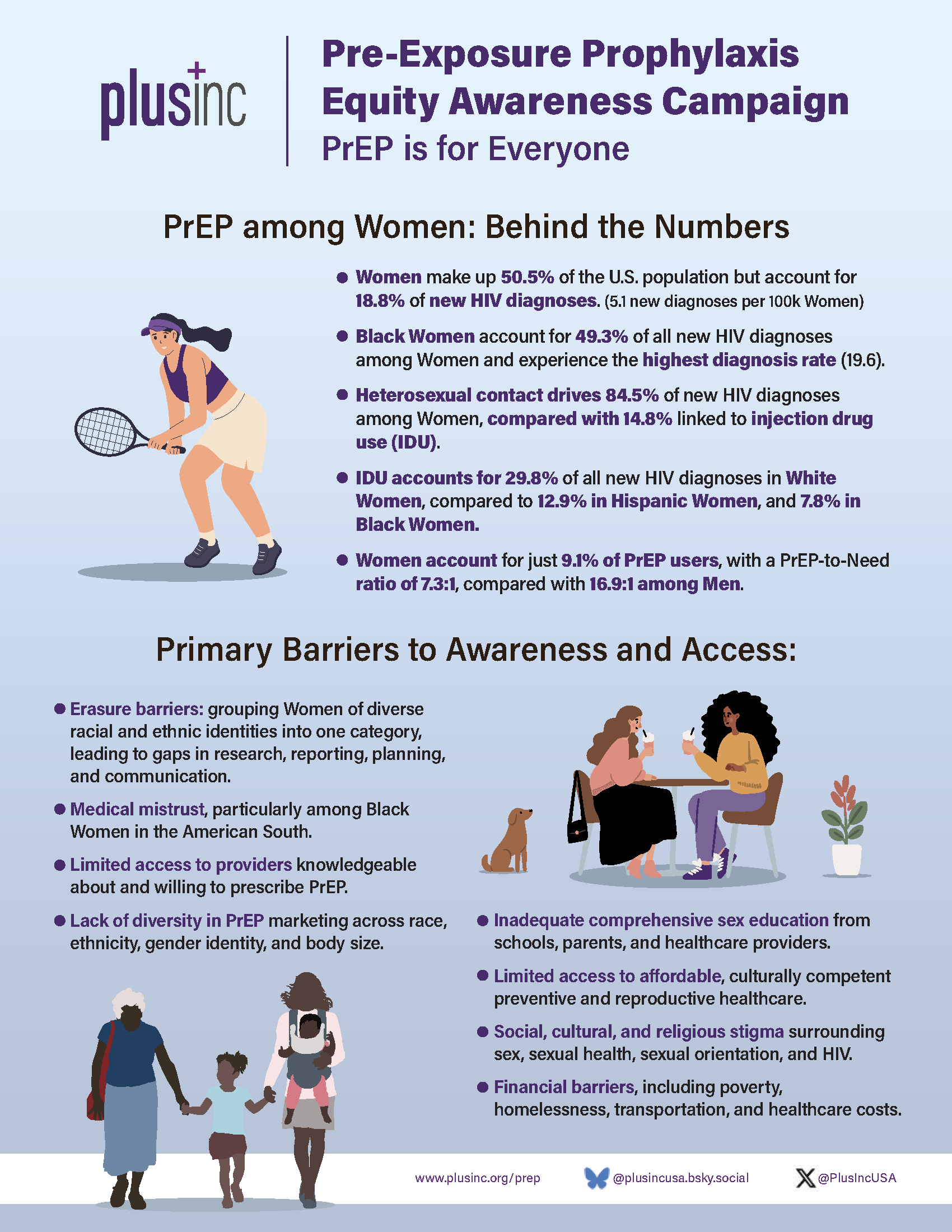

Trifold
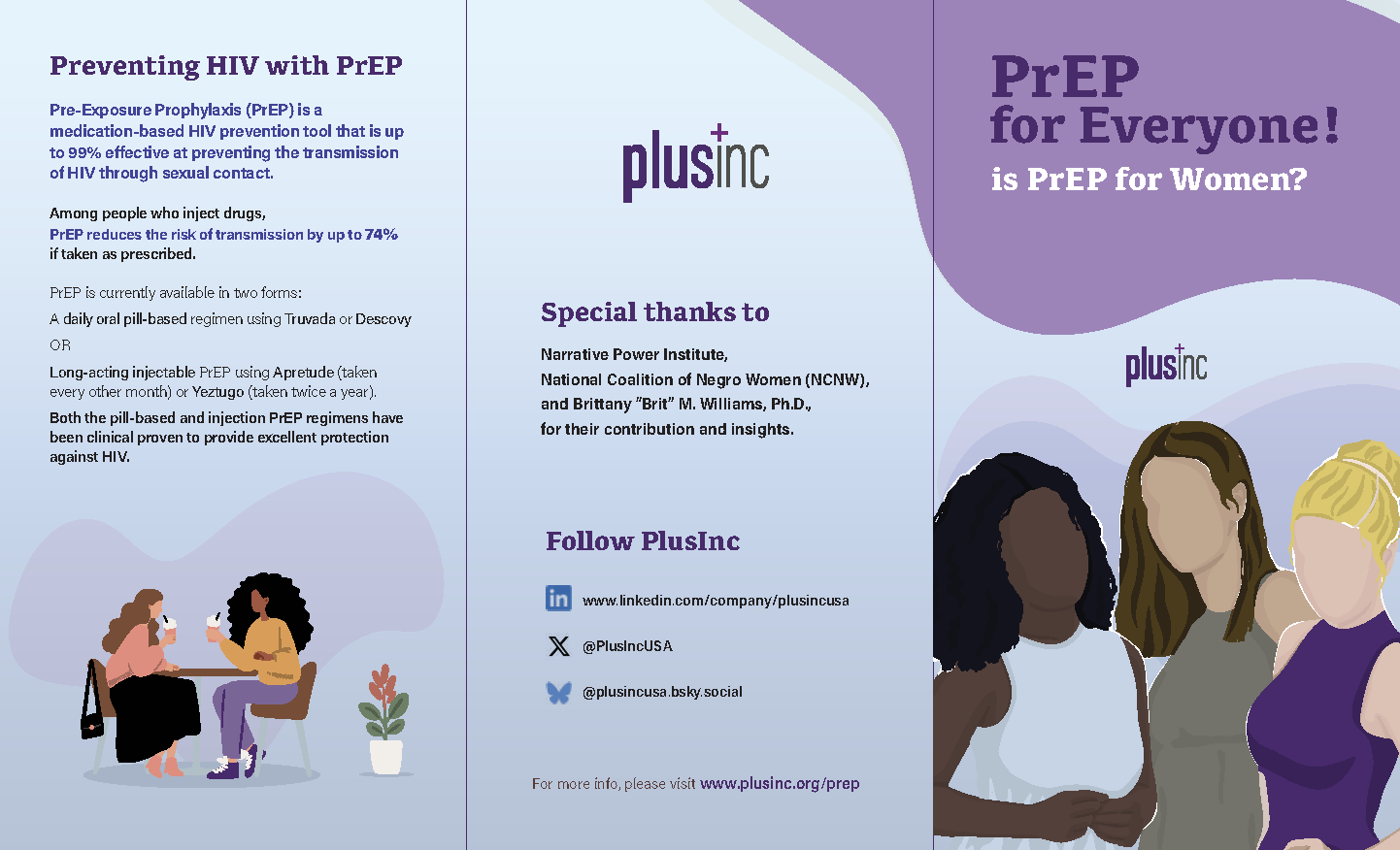
This file is designed to be printed double-sided at home or in the office. There are no special printing requirements.
This file is designed for professional print shops. There are print lines included.
Hispanic/Latine Americans account for 17.9% of all PrEP users—moderately higher than Black Americans (14.5%)—with a PrEP-to-Need ratio of 7.9, meaning that nearly 8 Hispanic/Latine Americans are using PrEP for every 1 new HIV diagnosis. By comparison, White Americans account for 62.9% of all PrEP users, with a PrEP-to-Need ratio of 41.7, meaning that nearly 42 White Americans are using PrEP for every 1 new HIV diagnosis (AIDSVu, 2026).
Special Thanks
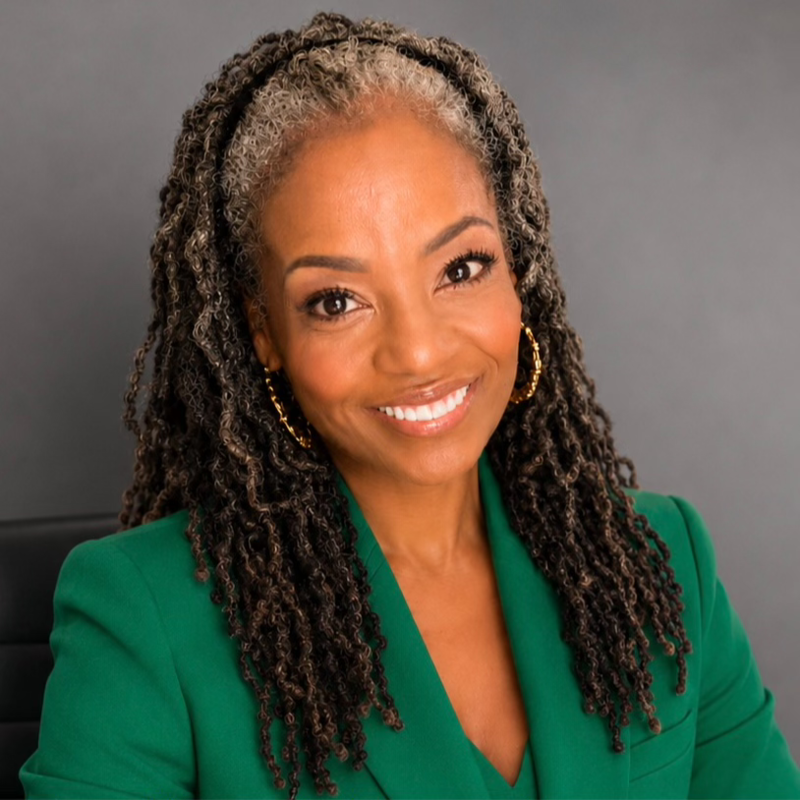
Michelle Anderson
Narrative Power Institute
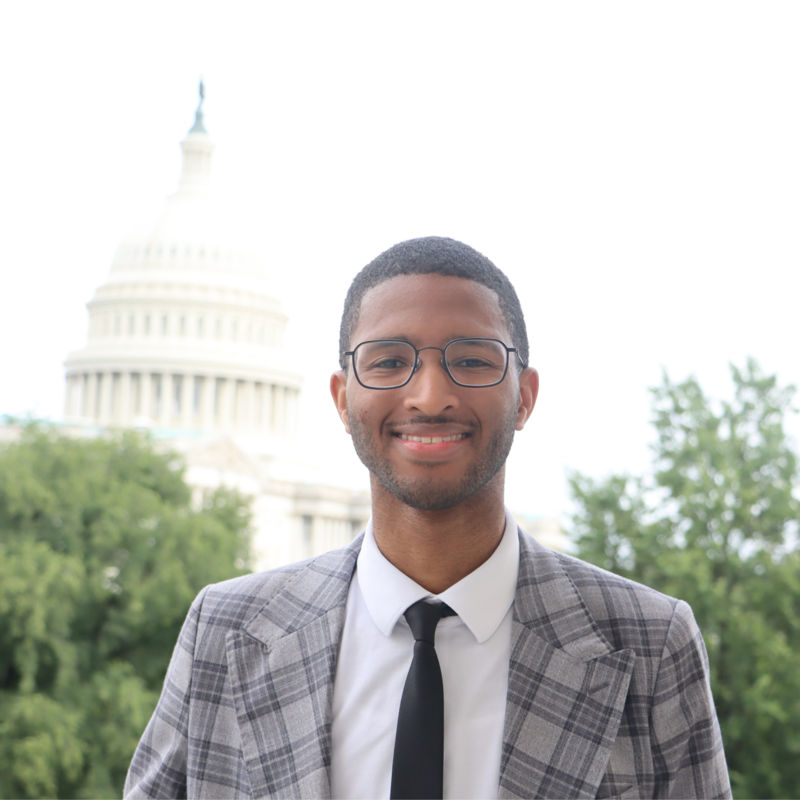
Tyese Williams
National Coalition of Negro Women
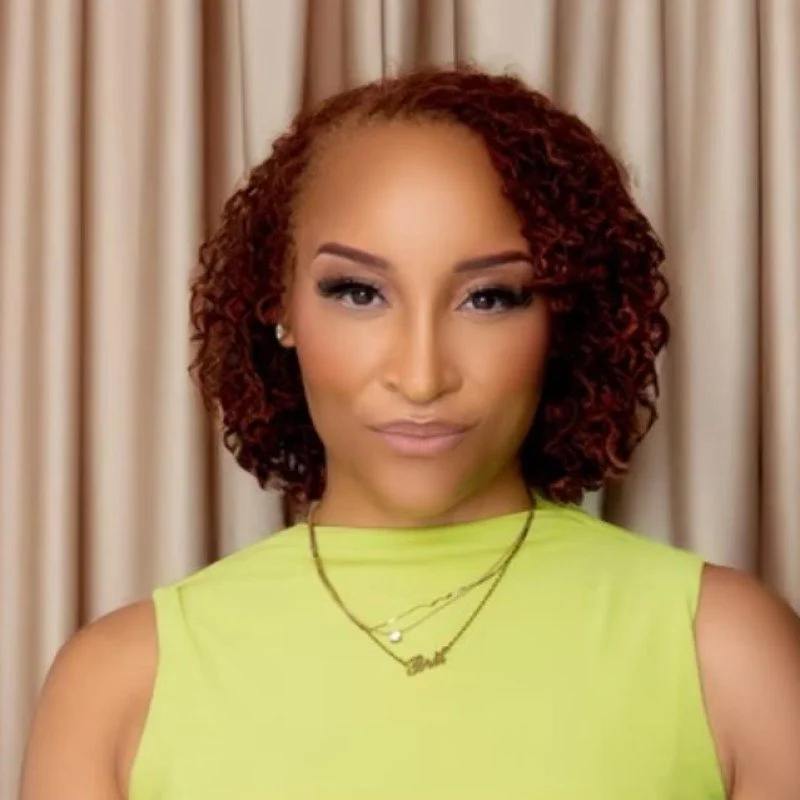
Dr. Brittany Williams
University of Vermont
Submit feedback
Complete the form with your feedback on the information and resources we’ve made available as part of our PrEP among Women.