


Many Hispanic/Latine Americans face significant barriers that may contribute to being unaware of or being unable or afraid to access PrEP services. These barriers are often driven by structural factors, including restrictive immigration policies, heightened immigration enforcement, concerns about surveillance and data sharing, language barriers, lack of culturally and linguistically appropriate services, limited health insurance coverage, and fear that engaging with healthcare systems could expose them or their family members to immigration-related consequences. Together, these factors can discourage individuals from seeking preventive HIV services, even when they are eligible and in need of care.
Mini Report

TABLE OF CONTENTS:Underlying Data
Barriers to Awareness and Access
Medical Mistrust Barriers
Structural and Geographic Barriers
Social and Cultural Barriers
Stigma-Related Barriers
Financial Barriers
Information/Education Barriers
Recommendations
Culturally Competent and Relevant Marketing
Reframe Education, Awareness, and Outreach Campaigns Using a Risk-to-Reasons Framework
Increased Investments in HIV Education and Prevention Infrastructure
Infographics
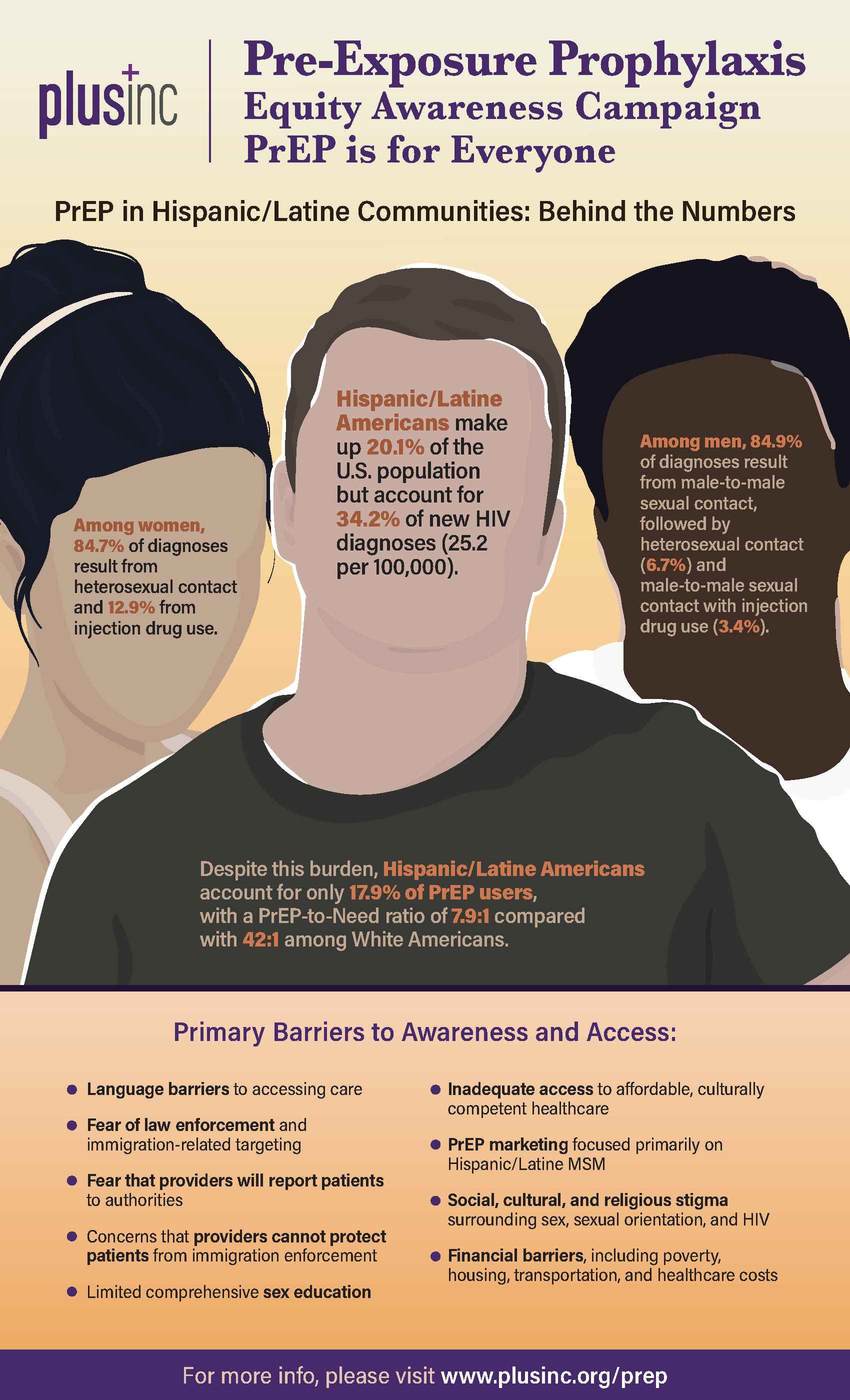
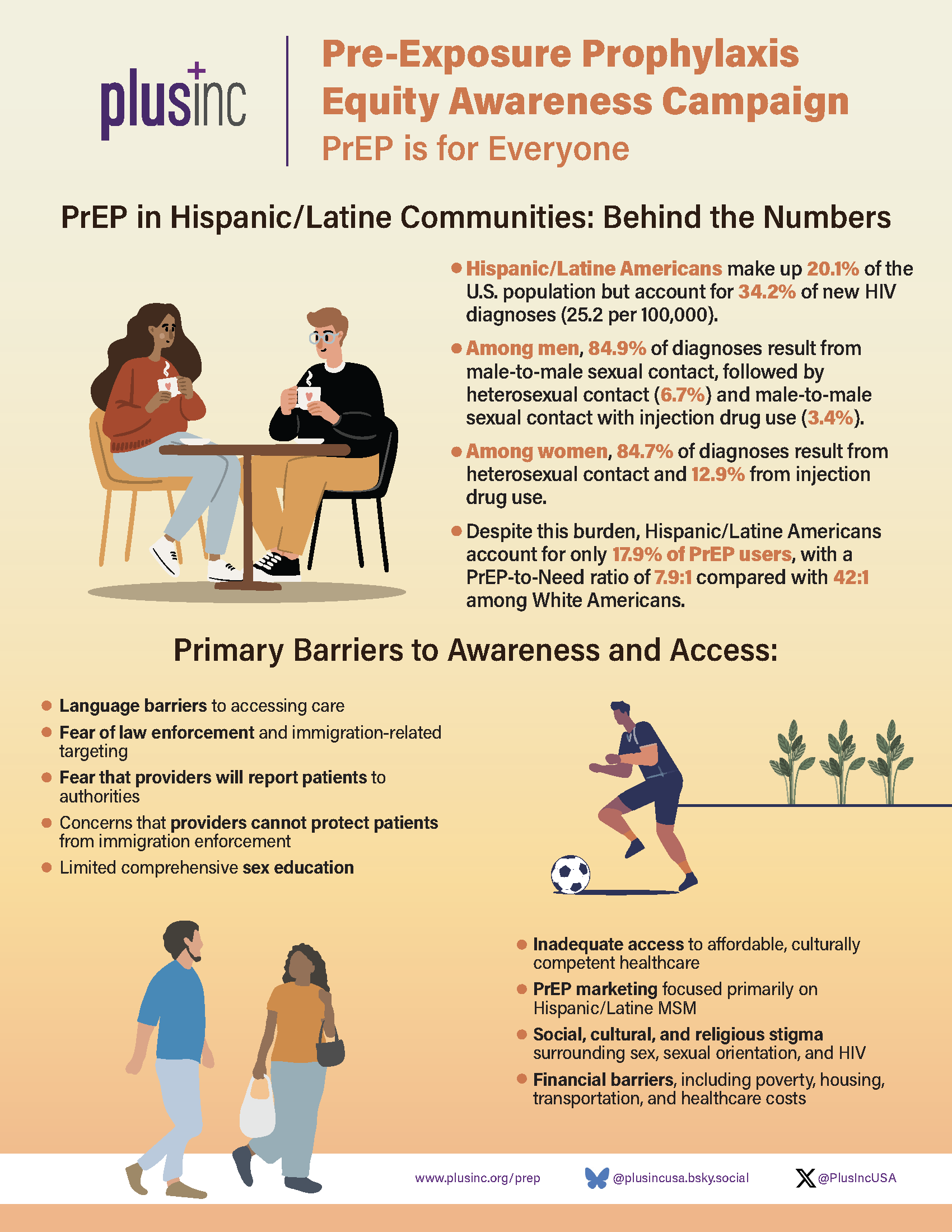

Trifold
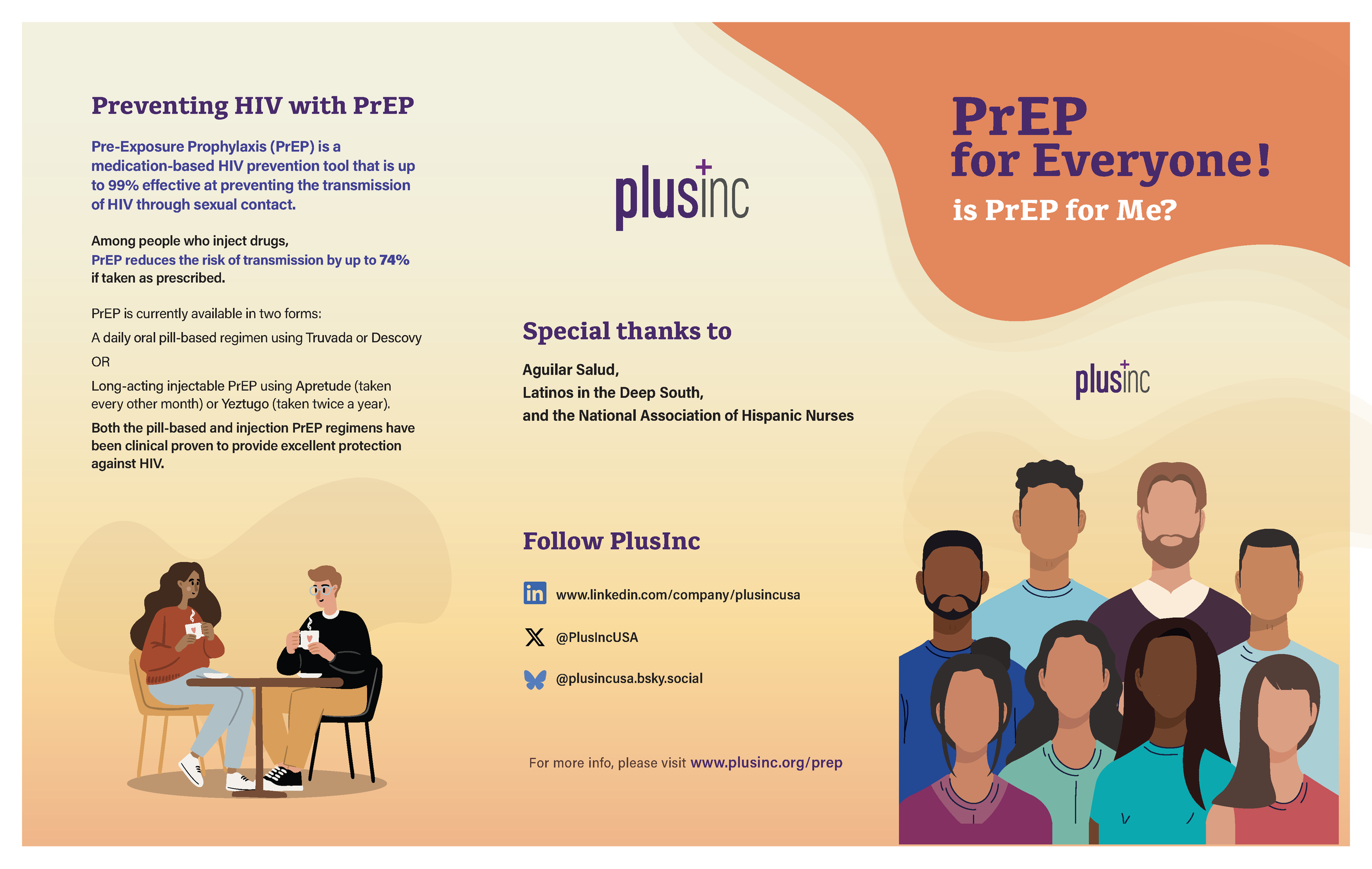
This file is designed to be printed double-sided at home or in the office. There are no special printing requirements.
This file is designed for professional print shops. There are print lines included.
Hispanic/Latine Americans account for 17.9% of all PrEP users—moderately higher than Black Americans (14.5%)—with a PrEP-to-Need ratio of 7.9, meaning that nearly 8 Hispanic/Latine Americans are using PrEP for every 1 new HIV diagnosis. By comparison, White Americans account for 62.9% of all PrEP users, with a PrEP-to-Need ratio of 41.7, meaning that nearly 42 White Americans are using PrEP for every 1 new HIV diagnosis (AIDSVu, 2026).
Special Thanks
Kate Filipiak
National Association of Hispanic Nurses
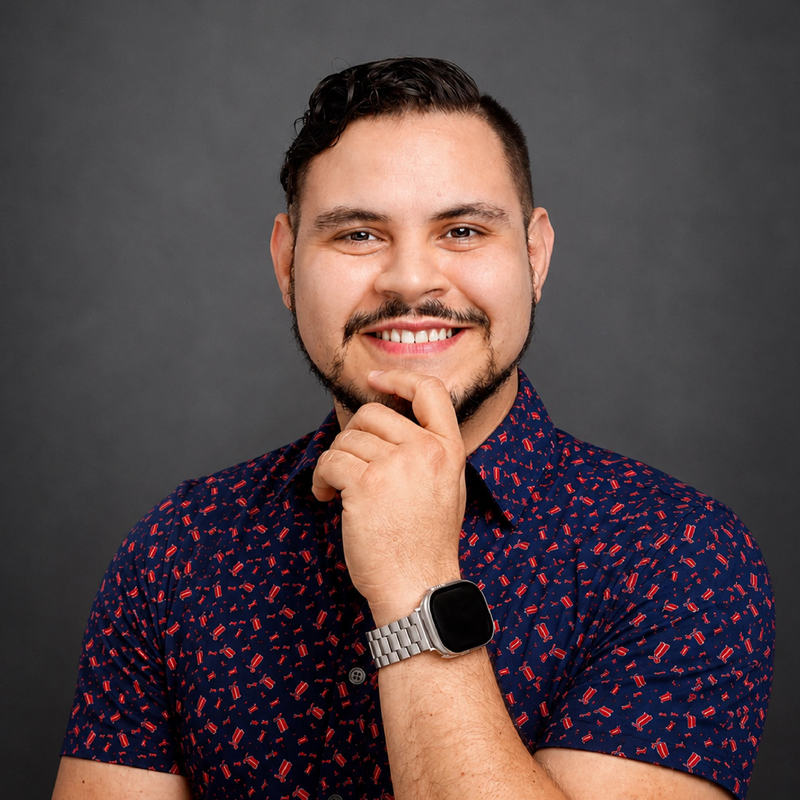
Jessie Claudio
José Aguilar
AGUILAR SALUD
Latino Commission on AIDS


Submit feedback
Complete the form with your feedback on the information and resources we’ve made available as part of our PrEP in Hispanic/Latine Communities.